


Family Dentist in Newport News, VA
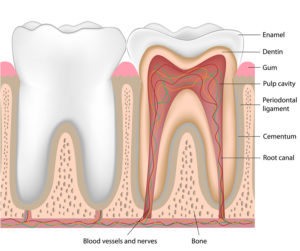 Dental development starts from approximately the 6th week in pregnancy through late adolescence. It involves the formation, eruption, and shedding of the 20 primary deciduous teeth, as well as the formation and eruption of the 32 permanent teeth. Throughout this development, the teeth are subject to both genetic and environmental influence.
In addition to their role in speech and facial aesthetics, the teeth provide a system of mastication with incising, tearing, and grinding capabilities. The structure of teeth allows them to survive the forces and wear of mastication. Therefore, changing in the composition or structure of the teeth affects their durability and resistance to fracture.
Each tooth has a visible crown that projects above the gum, with one or more roots extending into the alveolar bone of the maxilla or mandible. The crown and root meet at the neck of the tooth. The tooth forms a peg and socket joint with the alveolar bone and is held in place by a membrane that allows slight movement of the tooth.
Four components of teeth are:
- Enamel
- Dentin
- Pulp
- Cementum
Enamel
Dental enamel is the hardest tissue in the human body. It protects the tooth crown from fracture and wear. The enamel is produced by cells called ameloblasts. Because the ameloblasts are no longer present once the tooth is fully formed and erupted, dental enamel has no regenerative capacity.
By weight, normal dental enamel is 96 percent mineral, 2 percent water, 1 percent protein, and 1 percent other components. The structure of enamel provides its strength and resistance while making it less brittle. Changes in the mineral, water, or protein content of enamel alter its appearance, strength, and resistance to wear and caries.
Dentin
Dentin is the most abundant dental tissue. It functions as the substructure for the enamel and largely determines the size and shape of teeth. Dentin is produced by the dental pulp. The production of dentin is increased in response to environmental stimuli such as trauma, tooth wear, or caries.
By weight, dentin contains about 60 percent mineral and 20 percent organic components, including protein. The structure and composition of dentin give teeth the ability to flex and absorb tremendous functional loads without fracturing.
Pulp
The dental pulp is a specialized tissue made of odontoblasts, which are dentin-producing cells, fibroblasts, blood vessels, nerves, and a complex matrix. It provides the neurosensory function. The pulp continues to produce small amounts of dentin throughout the life of a tooth. Maintaining a healthy dental pulp until the root of the tooth is fully formed and has walls thick enough to sustain the forces transmitted from the crown during mastication is important. Prompt and appropriate treatment of dental trauma and caries in children is critical to the sustenance of oral health.
Cementum
Cementum is made of type I and other collagens, proteins, and a mineralized matrix. It covers the root surface and helps to prevent the tooth from becoming fused to the adjacent alveolar bone. It is structurally similar to bone. In addition, cementum provides the tissues by which the tooth is anchored to the periodontal ligament and the alveolar bone. These structures form a flexible sling that holds the tooth in place while allowing the movement necessary under the forces required for chewing.
12821 Jefferson Avenue
Newport News, VA 23608
 Nearly everyone has at least one habit that they wish they could break. Did you know that some of them can affect your oral health? Here are a few common habits and tips for how to break them.
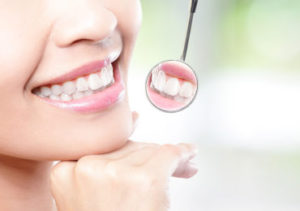 The single most cost-effective measure for reducing dental caries is fluoridation of public water supplies.
 Sugary, sticky, and sweet candies can damage your teeth by increasing your risk of decay. Though gum can be considered a type of candy, chewing sugarless gum approved by the ADA can actually help protect teeth and prevent tooth decay. Here’s what you need to know about gum and your teeth.
 Diabetes is one of the major health concern in the world today. It is up to 10% of our US population has diabetes. As much as 9 million people are currently living with diabetes that they are not even aware of. There are 2 types of Diabetes Mellitus. In Type I diabetes, our body does not make enough insulin, therefore our blood sugar cannot get into the cells to be used. In Type II diabetes, our cells do not respond to insulin appropriately. The high blood sugar levels in both types, in long term, can cause problems with your eyes, nerves, kidneys, heart and blood vessels.
 “Tooth worms” are the cause of tooth decay. That was the headline of a Sumerian text from around 5,000 B.C.E. Fortunately, the dental industry has evolved since then and we know “tooth worms” don’t exist. Here’s how dentistry has evolved into the comfortable, safe, and beneficial science of today.
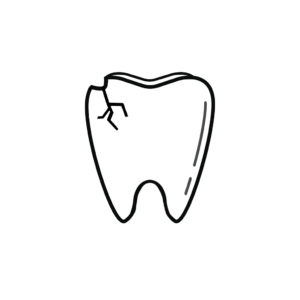 It usually starts pretty innocently. You’re biting into your favorite hard candy and suddenly you realize that there’s one little hard piece in your mouth you can’t seem to dissolve. You check it out and fear overcomes you when you see it’s a little chipped piece of a tooth.
 For seniors, it is imperative that gum health is a top priority. As you age, your risk of developing periodontal (gum) disease increases. Periodontal disease is both preventable, and in many cases, reversible. When left untreated, it can lead to more serious complications such as bloody or swollen gums, and even tooth loss. Even more alarming are the numerous studies connecting periodontal disease to other serious illnesses. Here’s what you need to know about gum health as you age.
 When you are traveling, it can be challenging to keep up with your usual daily routine. For many people, this can include having difficulty finding the time to properly brush and floss. Whether you are traveling for business or pleasure, we have gathered a few helpful tips to help you stay on track with your oral health while you are away from home.