


Dentist in Newport News
 Blood thinning medications are helpful in regulating your body to prevent heart attacks, strokes, and other serious issues. When visiting our office, it is important our dentist is aware of all medications you are using.
How Blood Thinners Work
There are two types of blood thinners. The first type works to prevent blood clotting. Medications ranging from aspirin to Plavix fit into this category. The other type of blood thinners work to prevent blood from coagulating; Coumadin or warfarin accomplish this.
What Our Dentist Should Know
When you visit our office, be sure to share with us any medications you are taking. We need to have your complete medical history to ensure your safety and proper treatment. Our dentist might also ask you the purpose of each medication you are taking to better understand any side-effects or other medical issues that could be associated with medication.
Steps to Take Before Visiting Our Office
Never stop any medication without consulting your doctor. Depending on your medical history, your doctor might suggest specific blood tests before visiting our office for dental treatment. Communication is key, both for you and your primary physician, and for you and our office. If your treatment requires additional medication to be taken, ask about potential drug interactions.
Steps to Take to Minimize Oral Bleeding
Oral bleeding resulting from dental treatments is uncommon, but each patient will have different results. The most effective ways to minimize oral bleeding is to firmly apply pressure to the area for up to 30 minutes. Gauze is especially helpful in stopping bleeding. Depending on the treatment, we may ask you to refrain from drinking hot liquids and rinsing your mouth for the first day. We suggest avoiding rough or sharp foods that might cut your mouth.
Prior to receiving any dental treatment, it is important that our experienced dental team has a thorough knowledge of your medical history. This enables us to find the best possible solutions for your needs, while ensuring your safety.
If you have any questions about medications and dental treatments, contact our office.
 The food children eat affects their long term oral health. Some foods have nutrients teeth need. Others are full of acids and sugars that are harmful to teeth. With so many unhealthy food choices being marketed to children every day, it is vital that you take a stand. Offer fun, healthy snacks and model the better food choices you want your kids to make.
 Whether you use smokeless tobacco or smoke cigars, cigarettes, or a pipe, tobacco use poses a serious threat to both your oral health and your overall health. In addition to the effects smoking has on your respiratory health, pregnancy, and heart health, a recent study has found profound connections between smoking and periodontal (gum) disease.
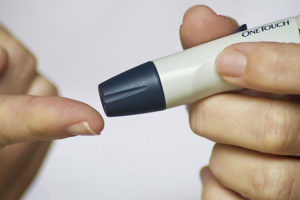 Nearly 30 million Americans suffer from diabetes. Almost 65 million Americans have periodontal disease. Recent studies have suggested that there is a two-way connection between diabetes and periodontal (gum) disease. Patients with gum disease have increased risk of other diabetic complications and patients with diabetes are more prone to developing gum disease.
 Our expert dentist wants to remind patients that our office offers thorough oral cancer screenings as part of our comprehensive dental health services. Like with every form of cancer, early diagnosis can have a profound impact on the success of your treatment. Regular screenings are your first line of defense against oral cancer and our doctor is here to help.