


Newport News Dentist
 When a tooth is extracted, your blood cells clot over the site of the tooth to protect your bone, nerves, and tissue. However, some patients experience dry sockets, a condition where blood clotting does not occur. Here’s what you need to know about dry sockets after tooth extraction.
What are Dry Sockets?
Dry sockets are the result of your blood failing to clot, or when an existing clot is removed. They leave the area previously protected by your tooth exposed, which includes bone and nerves. Symptoms often include significant pain and discomfort where your tooth was extracted. Pain often lasts beyond the first three days following your procedure. Further symptoms can include having a bad taste in your mouth, pain on the same side of your face as the extracted tooth site, and visible bone where the tooth was removed.
Who Is At Risk for Developing Dry Sockets?
In most cases of extraction, your mouth will heal normally. Dry sockets have been noted to occur at a higher rate in individuals who smoke, chew tobacco, practice poor oral hygiene methods, or suffer from an infection impacting the gums or teeth. Additionally, it is important that you follow all directions provided to you following extraction. Patients who fail to do so, and choose to do things such as drinking with a straw after treatment, have a higher risk for developing a dry socket.
Treating Dry Sockets
If you experience a dry socket, contact our team for an appointment. It is essential to keep the area clean to prevent infection. Removing debris is the first step to keeping the site clean. Additionally, our team may provide you with pain medication suggestions as well as gauze or medicated dressings to protect the site. Avoid touching the area before coming in to our office.
The direct cause of dry sockets is not widely understood. However, it is a temporary condition that can be managed and treated by taking the proper precautions.
If you develop a dry socket following the extraction of a tooth, please contact our team. We will do our best to see you as soon as possible to ensure your mouth is able to heal properly.
12821 Jefferson Ave.
Newport News, VA 23608
(757) 874-7155
 Oral cancer takes lives of more people than testicular and cervical cancer combined. By knowing more about risk factors, living healthier lifestyles and getting proper screening, we can help reduce the risk and lower the number of lives that oral cancer effects.
 If the idea of biting into an ice cream sandwich makes you cringe, you may be one of the millions of people who suffer from sensitive teeth. This is often caused by movement of fluid in the dentin – the soft inner tissue beneath the enamel of your tooth. This motion irritates the tooth nerve, creating a tingling sensation and sometimes pain.

 Teeth grinding, known as bruxism, is a habit many get into without even realizing it. Grinding your teeth can be damaging for several reasons. If you or your child have been struggling with teeth grinding, make an appointment to see us. We will assess the damage to the teeth, as well as assist you in addressing solutions. Here’s what you need to know about teeth grinding.
 At Peninsula Dental Care, we know that gingivitis, which is the early stage of periodontal disease, can be difficult to recognize. Most patients do not recognize bleeding and swollen gums as precursors to gum disease. This month, September 2017, a national campaign is under way to raise awareness about gum health and periodontal disease. Peninsula Dental Care wants to help spread the word.
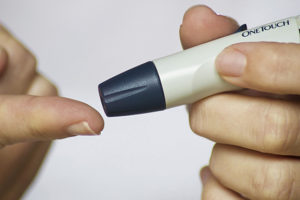 Did you know that 1 in 5 cases of total tooth loss is linked to diabetes? Diabetes affects your entire body including your mouth and teeth. Here are a few ways diabetes can impact your oral health:
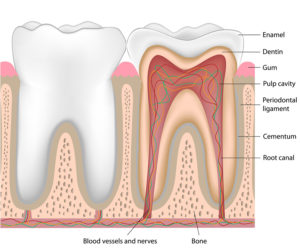 Dental development starts from approximately the 6th week in pregnancy through late adolescence. It involves the formation, eruption, and shedding of the 20 primary deciduous teeth, as well as the formation and eruption of the 32 permanent teeth. Throughout this development, the teeth are subject to both genetic and environmental influence.
 Nearly everyone has at least one habit that they wish they could break. Did you know that some of them can affect your oral health? Here are a few common habits and tips for how to break them.
 The single most cost-effective measure for reducing dental caries is fluoridation of public water supplies.